

Travel Wisdom
🌍 Can travel continue after a diagnosis of Neuropathy?
Traveling the World with Neuropathy: Adventure Adjusted, Not Abandoned Sometimes the most inspiring travel stories aren’t about extraordinary destinations. They’re about ordinary people who refuse to stop exploring despite life’s challenges. Recently, I had the privilege of speaking with a remarkable woman, Emir, whose story perfectly reflects the spirit of The Ageless Explorer. Several years […]
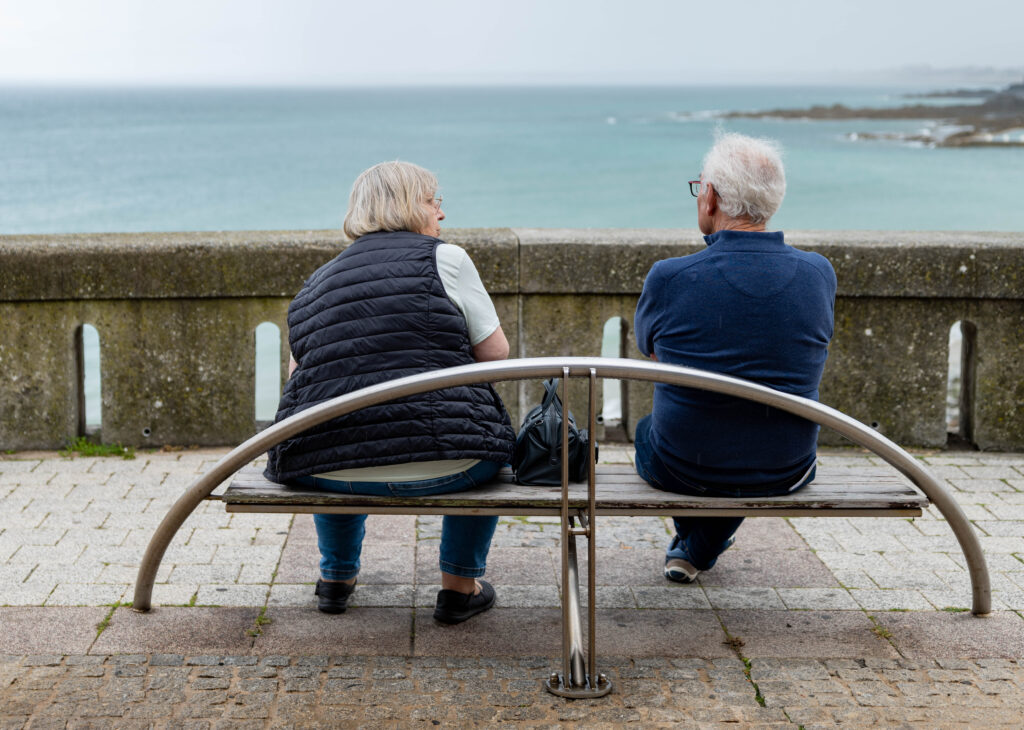
Traveling the World with Neuropathy: Adventure Adjusted, Not Abandoned
Sometimes the most inspiring travel stories aren’t about extraordinary destinations. They’re about ordinary people who refuse to stop exploring despite life’s challenges.
Recently, I had the privilege of speaking with a remarkable woman, Emir, whose story perfectly reflects the spirit of The Ageless Explorer.
Several years ago, her husband, Luis, developed Neuropathy, a condition in his legs, that can affect mobility, balance, strength, and endurance. Like many couples who love to travel, they suddenly found themselves asking difficult questions.
Would international travel still be possible?
Would they need to abandon the adventures they had always enjoyed?
Would a medical diagnosis determine what the rest of their lives would look like?
As it turns out, the answer was No.
Their travels didn’t end.
They simply evolved.
When Travel Looks Different
Many people assume there are only two choices when health challenges arise.
Continue traveling exactly as you always have or stop traveling altogether.
Emir and Luis couple found a third option.
Rather than giving up on exploration, they adapted their approach. Their focus shifted from trying to see everything to enjoying the experiences that mattered most.
They embraced flexibility. They slowed the pace when necessary. They built more thoughtful itineraries. They learned that successful travel wasn’t about covering the greatest distance or checking attractions off a list.
It was about continuing to experience the world together.
And in many ways, their travels became even more meaningful.
Planning Around Ability, Not Ambition
One of the most powerful insights from our conversation was the distinction between ambition and ability.
Their desire to travel never changed.
What changed was the planning.
Today, every journey begins with extensive research. Before booking a trip, they carefully evaluate transportation systems, accessibility considerations, walking requirements, and mobility challenges they may encounter at their destination.
What impressed me most was their planning wasn’t driven by fear.
It’s driven by a desire to remain independent.
Emir’s husband is a proud man. He doesn’t want to slow other people down or force a group to adjust plans because of his physical limitations. Rather than placing himself in situations where that might happen, they have developed a travel style that allows them to move at their own pace.
Their goal isn’t to travel less.
Their goal is to travel smarter.
Transportation Becomes Part of the Strategy
Many travelers focus their planning on hotels, restaurants, and attractions.
Emir and Luis focuses on transportation.
Before visiting a city, they often research public transit in remarkable detail. Something as seemingly small as the height of a train platform can make a significant difference in comfort and accessibility. They pay close attention to whether platforms align easily with train entrances and whether stations are manageable for someone with mobility limitations.
When answers aren’t available online, they go directly to the source.
They watch videos YouTube videos to familiarize themselves with the cities, for example, the terrain, the transportation options, accessibility etc. In addition, they contact local tourism offices to get recommendations about private guides, tours available with more accessibility alternatives, and practical considerations that might affect their trip. By gathering information before they leave home, they reduce uncertainty and increase confidence.
Preparation has become one of their most valuable travel tools.
Why Flexibility Matters
One of their favorite transportation solutions is the hop-on, hop-off sightseeing bus.
Many travelers view these buses as a convenient tourist option.
For them, they’re something much more important.
They provide freedom.
The ability to stop, rest, adjust plans, and continue sightseeing without committing to a demanding schedule creates opportunities that might otherwise be missed.
That same philosophy guides many of their travel decisions.
Depending on the destination, they frequently use Uber or arrange private guides for locations that are especially meaningful to them. These options allow them to conserve energy while focusing on the experiences they came to enjoy.
Rather than exhausting themselves getting from place to place, they invest their energy in the moments that matter most.
Redefining Independence
One of the most inspiring aspects of our conversation was the way they view independence.
Many people assume that needing assistance means losing freedom.
They have discovered the opposite.
Through preparation, flexibility, and thoughtful decision-making, they have preserved their ability to continue exploring the world together.
They haven’t ignored the realities of Neuropathy.
They’ve learned to work with them.
Their travels may look different today than they did years ago, but they remain filled with discovery, connection, and adventure.
A Message for Other Travelers
There are countless individuals and couples who quietly wonder if age, illness, or physical limitations mean their traveling days are over.
This story offers a different perspective.
You may need to slow down.
You may need to rethink your itinerary.
You may need to research a little more carefully.
You may need to choose transportation differently.
But none of those adjustments mean the adventure must end.
Exploration belongs to anyone who remains curious about the world.
The Ageless Explorer Takeaway
Throughout our conversation, I was struck by how little time they spent talking about limitations and how much time they spent talking about solutions.
They don’t ask:
“Can we still travel?”
Instead, they ask:
“How do we make this trip work?”
That shift in thinking has allowed them to continue discovering new places together.
They research train platforms. They contact tourism offices before they arrive. They choose flexible transportation options. They hire private guides when deeper experiences matter most.
Every decision is intentional.
Every adjustment serves a purpose.
Their travels may look different than they once did, but they haven’t become smaller.
If anything, they’ve become more meaningful.
Perhaps that’s the lesson for all of us.
Aging, illness, and life’s unexpected challenges may change the way we travel, but they don’t have to change our desire to explore.
Adventure adjusted is still adventure.
And the world remains waiting.
Listen to the Full Conversation
In this episode of The Ageless Explorer Podcast, we discuss traveling with Neuropathy, maintaining independence, adapting travel plans, researching destinations, and why curiosity doesn’t retire when circumstances change.
Question for Readers
Have you adjusted the way you travel because of age, health concerns, or changing circumstances?
I’d love to hear your story in the comments. After all, some of the best travel advice comes from fellow explorers who have learned to navigate life’s detours while continuing the journey. You can join our Explorer Bembry community on Facebook to post your comments.